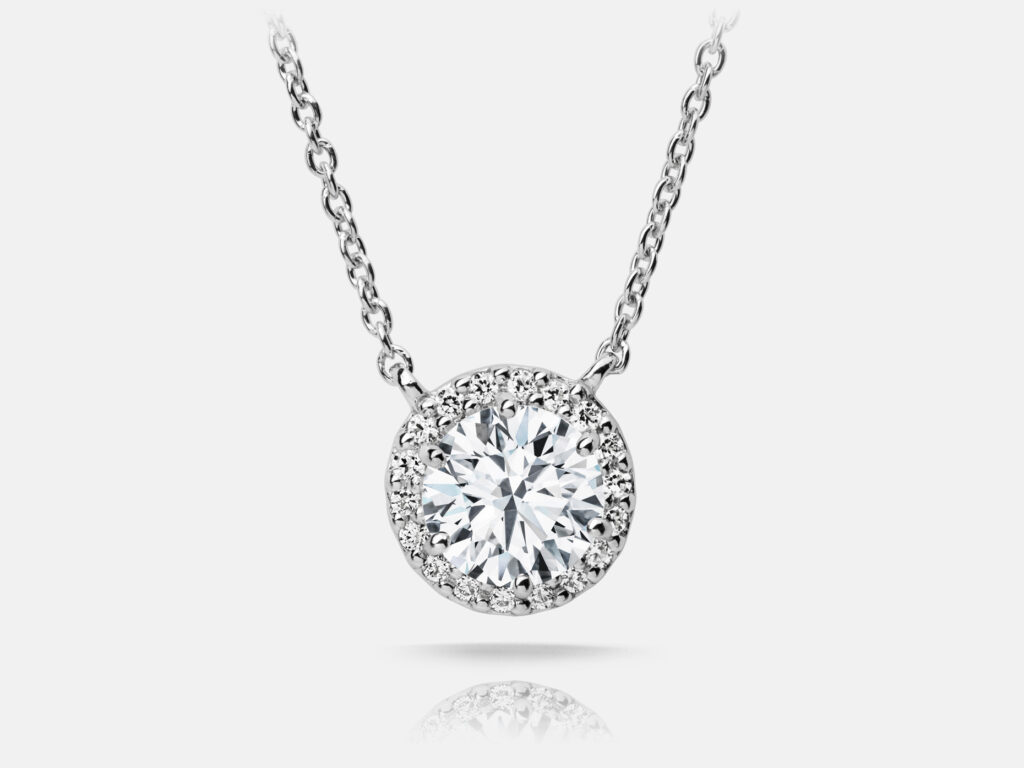
China Top Engagement Rings Suppliers for Global Buyers
China has become a practical sourcing base for global engagement rings buyers. Its manufacturing network supports gold, platinum, natural diamonds, lab-grown diamonds, and gemstone designs. Suppliers range from established export factories to specialized workshops serving private-label brands. This variety creates both opportunity and uncertainty.
The Knot’s 2023 Real Weddings Study reported an average U.S. engagement ring spending of approximately $5,500. Buyers therefore expect more than attractive pricing. They want verified materials, consistent grading, accurate sizing, and dependable delivery. A professional Chinese supplier should provide diamond reports from recognized laboratories, such as GIA, IGI, or HRD Antwerp, when applicable. Clear metal stamps and laboratory certificates matter.
Small details reveal capability.
A serious supplier can explain stone proportions, setting security, polishing quality, and production tolerances. Factory audits, ISO 9001 systems, transparent sample approval, and documented quality inspections strengthen buyer confidence. Responsible sourcing also requires attention to the Kimberley Process and applicable import, customs, consumer protection, and product-labeling rules. These requirements vary by destination.
However, no directory can prove that every listed supplier performs equally well. That is the part buyers must test. Request a physical sample, inspect prong symmetry, check certificate numbers, and compare the finished ring against approved drawings. Communication records also matter when orders involve custom engraving or sensitive delivery deadlines.
This guide examines China’s leading engagement rings suppliers through product quality, manufacturing experience, customization, certifications, communication, and export reliability. The goal is not merely to identify low prices. It is to help global buyers choose partners that can protect trust, consistency, and long-term brand value.
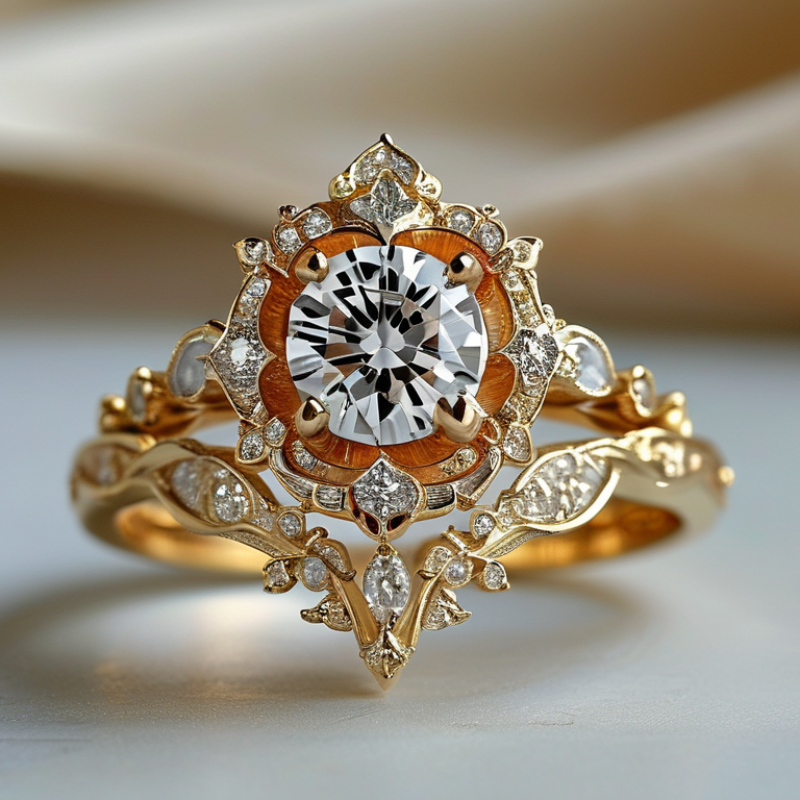
Define Market Demand: De Beers Valued 2023 Lab-Grown Jewelry at $12.3B
The $12.3 billion valuation for lab-grown jewelry in 2023 signals strong market interest, but it is not a direct sales forecast. Global buyers should read this figure with care. Demand varies by country, age group, stone size, and retail positioning. Many customers want larger stones at accessible prices. Others still prioritize geological origin and long-term symbolism.
Chinese engagement ring suppliers are responding with advanced HPHT and CVD production methods. Buyers should request independent grading reports, stone measurements, treatment details, and metal composition before placing an order. Clear documentation matters more than polished product photos. Ask for sample rings. Inspect prong alignment, surface finishing, stone security, and packaging durability. Small defects often appear during handling, not in catalog images.
The market is growing, but assumptions can mislead. A high industry valuation does not guarantee fast inventory turnover. I would compare sample quality, minimum order quantities, delivery records, and communication speed across several factories. Check whether quoted prices include certification, customs paperwork, and protective packaging. Some suppliers may promise low prices while offering limited after-sales support. That risk deserves attention. Market demand also changes quickly, especially when consumers question resale value, environmental claims, or product origin. Reliable suppliers should answer these concerns with measurable evidence, not vague sustainability language.
Shortlist China Suppliers by MOQ, OEM Capability, and Export Experience
China Top Engagement Rings Suppliers for Global Buyers
A 2024 wedding-industry survey reported an average U.S. engagement-ring spend of about $5,500 in 2023. That figure supports careful supplier screening, not automatic price chasing. Start by grouping factories by MOQ, such as 10, 50, and 200 pieces. Small-batch workshops suit testing, while larger plants usually provide steadier pricing. Ask for stone grades, metal specifications, sample photos, and a written defect policy. Details matter.
OEM capability should be tested with one controlled prototype. Request CAD files, wax models, setting tolerances, and plating thickness records. A supplier may promise full customization but outsource casting or stone setting. That can weaken consistency. Confirm which processes happen in-house. The World Gold Council recorded 2,092 tonnes of global gold jewellery demand in 2023, showing a large but quality-sensitive market.
Export experience needs evidence. Check HS 7113 trade records through UN Comtrade, then request recent commercial invoices, packing lists, and destination-market test reports. Verify customs classifications with your broker. Suppliers familiar with repeated exports usually explain lead times more clearly. Still, export history alone proves little. I would place a small paid order before committing to annual volume. My own shortlist would score MOQ, OEM control, inspection records, and communication separately, because one strong category can hide another weakness.
Verify Diamond Quality with GIA’s 4Cs and Independent Grading Reports
China Top Engagement Rings Suppliers for Global Buyers
A reliable engagement ring begins with verified diamond information, not a polished product photo. GIA’s 4Cs—cut, color, clarity, and carat weight—create a consistent quality language for global buyers. Cut deserves close attention because proportions influence brightness, fire, and visible darkness. A larger stone can still look dull.
The 2023 Global Diamond Report estimated that natural diamond jewelry demand weakened during 2023, increasing pressure on suppliers and buyers. This makes transparent documentation more important. Request a current grading report from an independent laboratory, then match its report number with the laser inscription when available. Check whether the report identifies treatments, fluorescence, measurements, and any clarity characteristics. Photos should show the diamond under neutral lighting. They are useful, but never enough.
Tips:
Compare the report with the stone in person or through a recorded inspection. Ask for magnified videos, daylight images, and exact measurements. Confirm the report directly through the laboratory’s verification system. Be careful with unclear wording such as “almost flawless” or “excellent quality.” These phrases are not grading standards. A supplier may still provide good service, but vague claims require more questions. My practical mistake was trusting symmetry in a photo; the actual stone showed a visible dark area near the center. Verify before paying.
Audit Sourcing Compliance Under the Kimberley Process’s 99.8% Standard
China Top Engagement Rings Suppliers for Global Buyers
The Kimberley Process is widely associated with a 99.8% conflict-free figure for global rough diamond trade. It is a certification scheme, not a complete ethical guarantee. Global buyers should request the original Kimberley Process certificate for every relevant shipment. The certificate should match the parcel, invoice, shipment weight, and declared origin. Paperwork is not proof.
A reliable supplier can explain how diamonds move from approved exporters to cutting facilities and final production. Ask for sealed parcel records, supplier declarations, customs documents, and internal purchase references. Check whether dates, weights, and certificate numbers remain consistent. Small differences deserve written clarification. Details matter. Independent audits can strengthen confidence, especially when records cover multiple production stages.
The Kimberley Process focuses on conflict diamonds, but responsible sourcing requires broader checks. Buyers should also review labor conditions, environmental controls, grievance procedures, and anti-money-laundering policies. Factory visits can reveal practical details, such as separate material storage and accessible transaction records. Digital files may be useful, yet stamped originals still matter in some markets. A polished compliance folder can hide weak controls. That possibility should remain part of the review. Suppliers may not have perfect systems, particularly smaller workshops, but they should acknowledge gaps and provide realistic corrective actions. Procurement decisions should reflect documented evidence, not attractive promises.
Compare Pricing, Lead Times, Certifications, Incoterms, and After-Sales Support
China Top Engagement Rings Suppliers for Global Buyers
Comparing suppliers requires more than checking the lowest quotation. Ask for a metal breakdown, stone specifications, setting method, packaging cost, and payment schedule. A ring quoted at 180 dollars may exclude certification, engraving, or export handling. Request a pre-production sample when possible. Small details matter, especially prong alignment and ring size accuracy. Lead times should separate production, inspection, and shipping. Many suppliers quote 15 to 25 working days, but custom designs may take longer. Holiday closures and material availability can change the schedule.
Certification deserves careful attention. Request traceable reports for significant stones and verify laboratory details independently. For metals, ask about fineness marks, assay records, and material documentation. Quality systems such as ISO certification can support consistency, but they do not replace product inspection. Incoterms must appear clearly in the contract. EXW may leave the buyer responsible for collection and export procedures, while FOB includes different responsibilities. Confirm who pays insurance, duties, customs clearance, and destination delivery. After-sales support should cover resizing guidance, repair handling, replacement policies, and response times. Use written service terms. Keep photos and inspection records. This protects both sides.
The cheapest option is rarely the simplest. I have seen apparently clear quotations hide costly adjustments. Leave a realistic buffer for delays and rework. That part is often overlooked.